Keywords: EU PPWR | Packaging and Packaging Waste Regulation | EU 2025/40 | packaging compliance | export to EU | EPR registration | recyclable packaging | toy packaging compliance
As of 12 August 2026, the EU’s Packaging and Packaging Waste Regulation (PPWR, (EU) 2025/40) is fully in force, replacing the 30-year-old Packaging Directive 94/62/EC. This is not a “just get an EPR number” rule — non-compliance can cost up to 2%–6% of your global annual turnover, with goods held at customs and forced recalls. If your packaged products enter the EU market, you are covered — no EU entity required, no exemptions for exporters, Amazon sellers, or OEM/ODM factories.
What to Watch Out For (Red Lines)
- Hazardous substances — All packaging (including inks, glues, labels, foam inserts, stretch film, and outer cartons) must keep lead + cadmium + mercury + hexavalent chromium ≤ 100 mg/kg total. Food-contact packaging faces strict PFAS limits (total fluorine ≤ 50 ppm) with no stock sell-through grace period.
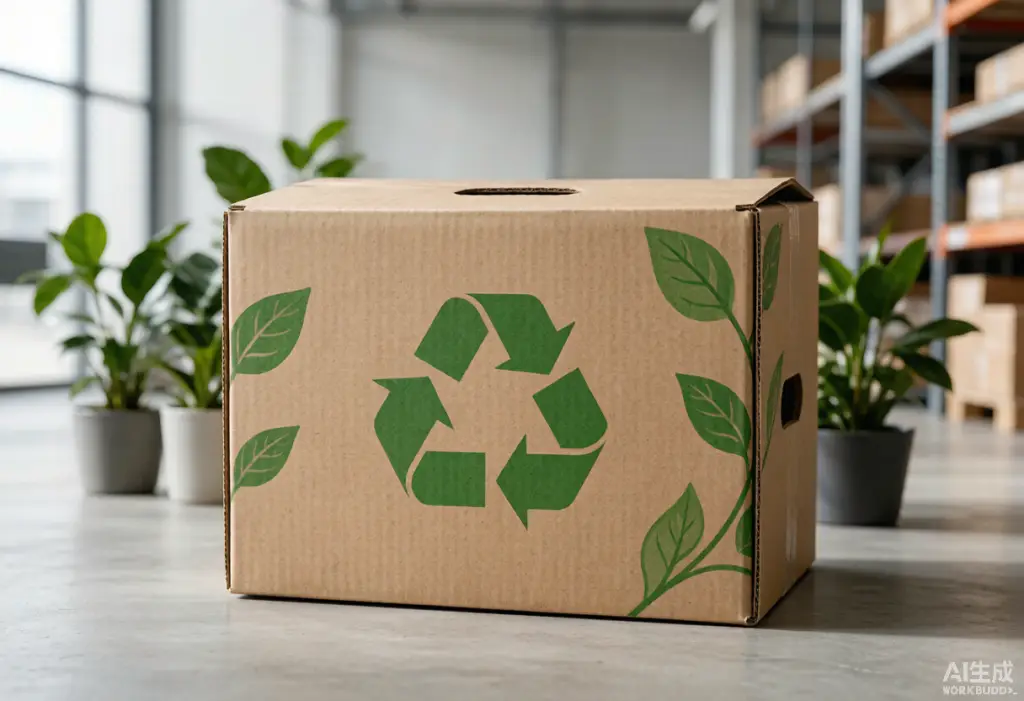
- Recyclability — From Aug 2026, all packaging must be recyclable by design. From 2030, packaging must reach Grade C (≥ 70% recyclability); from 2038, only Grade A/B is allowed. Multi-material and laminated packaging are the biggest risk areas.
- Compliance documents — Every packaging type needs a Technical Documentation (TD) and an EU Declaration of Conformity (DoC), kept for 5 years (disposable) or 10 years (reusable), and submitted within 10 working days on request.
- EPR registration — You must register in each EU member state where you sell. Approval can take 4–5 months in some countries, so start early.
- Empty space & recycled content — From 2030, grouped/transport/e-commerce packaging must keep empty space ≤ 50% (fillers count as empty space), and plastic packaging must contain minimum recycled content (mostly ≥ 30%).
How to Respond (Action Checklist)
- Map your packaging inventory — list every primary (retail), secondary (grouped), and tertiary (transport) packaging item with material, ink, and supplier details.
- Test for heavy metals now — different inks/masterbatches must be tested separately. Reports from CNAS-accredited labs are accepted in the EU.
- Prepare TD + DoC — under OEM/ODM, clarify in writing who is the legal “manufacturer”: if the EU brand owner leads the design and their logo is printed, they hold compliance duty — you supply test reports and material data.
- Start EPR registration country by country — prioritize by your export destinations; longest approval queues first.
- Redesign packaging — drop lamination and mixed materials for mono-material recyclable solutions; secure recycled-content supply ahead of 2030.
- Track implementing acts — the substances-of-concern list is expected by end-2026 and recyclability design standards by 2028.
Bottom Line
PPWR is the EU’s packaging rulebook for the decades ahead. Short term: pass heavy-metal testing and get your documents in order. Mid term: EPR registration and recyclable redesign. Long term: turn green packaging into a supply chain advantage — not a cost burden.
Based on public sources (Official Journal of the EU, European Commission, national trade authorities, and notified-body interpretations). For guidance only — not legal advice. Consult a qualified compliance provider for your specific case.